The Role of Socialization in Mental Health for Older Adults
As we age, social interactions can significantly influence mental health. This article explores the evidence surrounding socialization and its impact on older adults' mental well-being.
Understanding the Importance of Socialization
Socialization is not merely about engaging in conversations; it encompasses various activities that foster connections with others. According to research from the National Institute on Aging, regular social interaction can significantly lower the risk of depression and cognitive decline among older adults.

"Maintaining social ties is crucial for the mental health of older adults, as loneliness can often lead to serious health issues."
How Socialization Benefits Mental Health
Experts recommend that older adults engage in meaningful social activities for the following reasons:
- Reduced Feelings of Loneliness: Engaging regularly with friends and family can mitigate feelings of isolation. Studies show that older adults who maintain social connections typically report higher levels of happiness.
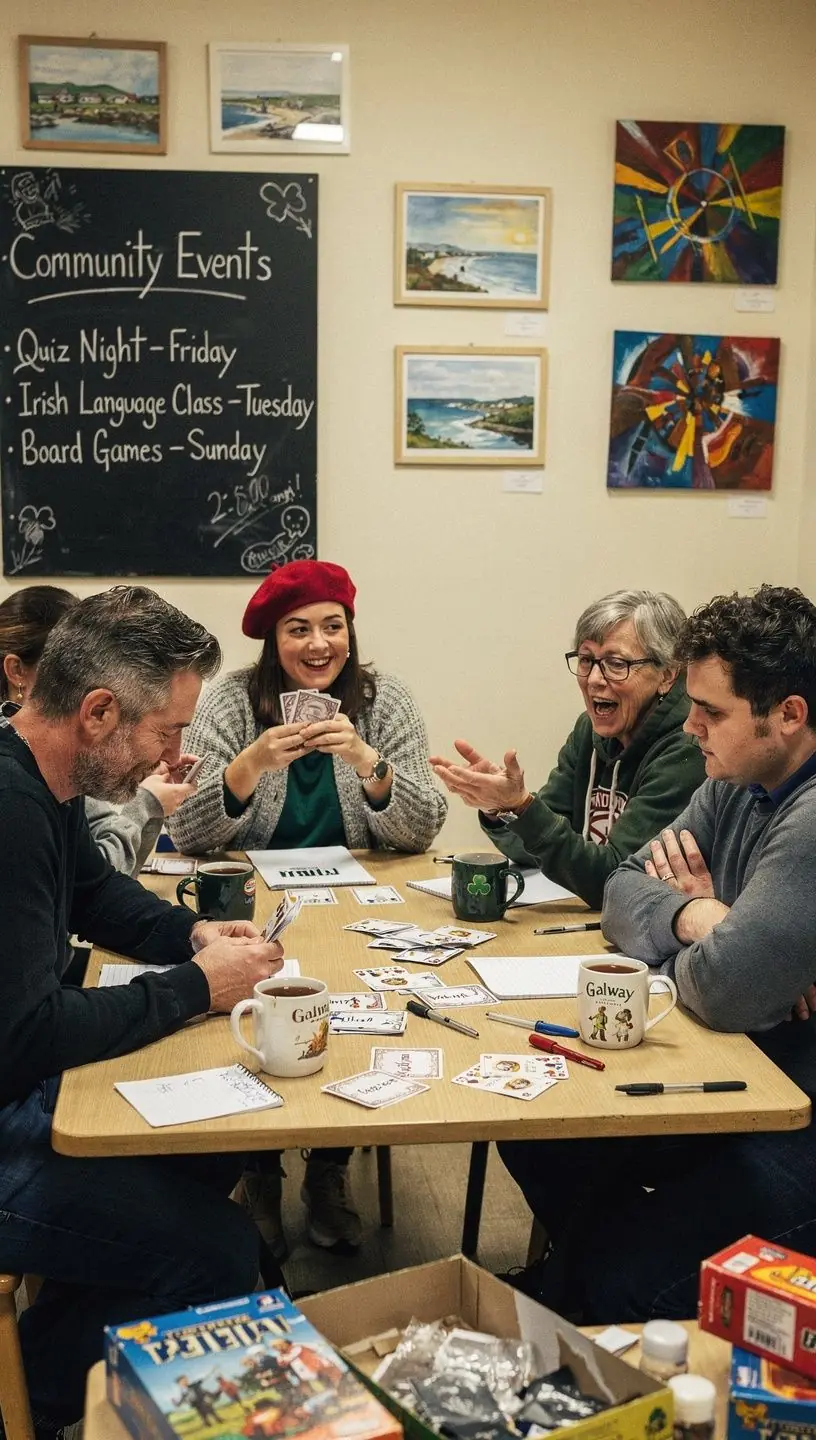
- Cognitive Engagement: Participating in group activities, such as board games or community events, can stimulate cognitive functions. Research indicates that mental exercises, combined with social interaction, can improve memory and concentration.
- Emotional Support: Social networks provide emotional support during difficult times. This support can be vital, especially for those facing health issues or significant life changes. Experts suggest that the presence of a supportive community can lower stress levels.
Challenges and Considerations
While social interaction is beneficial, there are challenges that older adults may face:
- Physical Limitations: Mobility issues can limit participation in social events. It's crucial to consider accessible options that encourage involvement.
- Time and Effort: Building and maintaining social relationships typically requires time and effort. Older adults may need to plan and prioritize social activities, which can be difficult amidst other responsibilities.
- Personal Preferences: Not all forms of socialization may be appealing to everyone. Individuals should seek out activities that align with their interests and comfort levels to ensure a positive experience.
Creating Opportunities for Socialization
To foster social connections, older adults can consider the following approaches:
- Join a Club: Local clubs focused on interests like board games, music, or arts can provide a structured way to meet new people. Many communities offer clubs specifically designed for older adults.
- Participate in Events: Attending local events, such as fairs or concerts, can serve as informal social gatherings. Look for community boards or local websites that list upcoming activities.
- Volunteer: Volunteering not only allows for social interaction but also provides a sense of purpose. Many organizations welcome older adults to contribute their skills and time.
Conclusion
Socialization plays a vital role in maintaining mental health for older adults. While it may require effort and adaptation, the benefits of engaging with others often outweigh the challenges. By taking proactive steps towards social interaction, older adults can enhance their emotional well-being and contribute to their overall quality of life. Remember, every connection counts, and the right community can significantly enrich one's journey through later life.